Network South Korea
Qualitative market research in South Korea
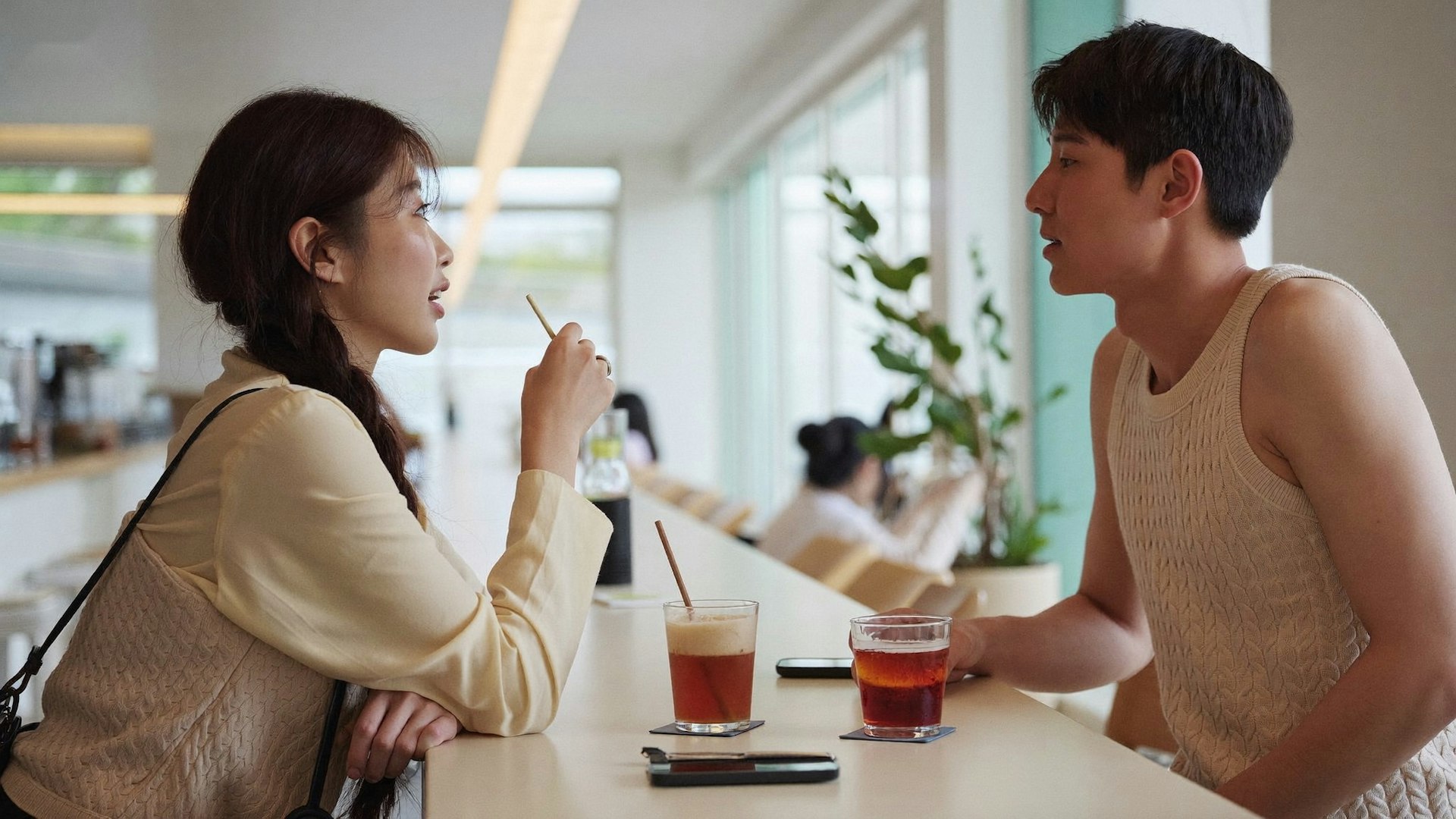
South Korea has 51.7 million people, 81.6 per cent of them in cities and 97.9 per cent of them online (DataReportal, Digital 2026), and about half of them live in and around Seoul. Qualitative research there works when the moderator is Korean, the group is built so that everyone can speak, and the first polite answer is treated as a starting point. MindMarket runs focus groups, in-depth interviews, shop-alongs and video diaries in South Korea with moderators who live there and one project manager for your whole study, and has run focus groups and bar shop-alongs in Seoul for a global drinks company's luxury tequila.
AT A GLANCE
South Korea at a glance for researchers
- Population. 51.7 million people, median age 45.6, 81.6 per cent in urban areas (DataReportal, Digital 2026). About half the country lives in the Seoul capital area, so one city reaches a large share of most audiences.
- Languages. Korean, in every session. English is widely taught, but few participants are at ease talking about habits and feelings in it. Our moderators live in South Korea and work in Korean, with translation for your team.
- Internet and mobile. 50.6 million internet users, 97.9 per cent of the population, and 60.9 million mobile connections (DataReportal, Digital 2026). Online interviews and mobile video diaries run without difficulty.
- Where fieldwork happens. Seoul first, with Busan when your brief needs a second city. For premium and nightlife categories, sessions and shop-alongs run in the venues where your audience spends its evenings.
- Data protection. The Personal Information Protection Act makes consent the general rule before personal data is collected. Participants are told what is recorded and why before each session.
- Timing. Seollal (the Lunar New Year, in January or February) and Chuseok (in September or October) each stop fieldwork for several days, and the first weeks of August are the main summer holiday.
IN THE FIELD
How does an interview run in South Korea?
In the UK or the US, a participant who disagrees says so. In South Korea the first answer is often the polite one, and who else is in the room decides how much more you hear.
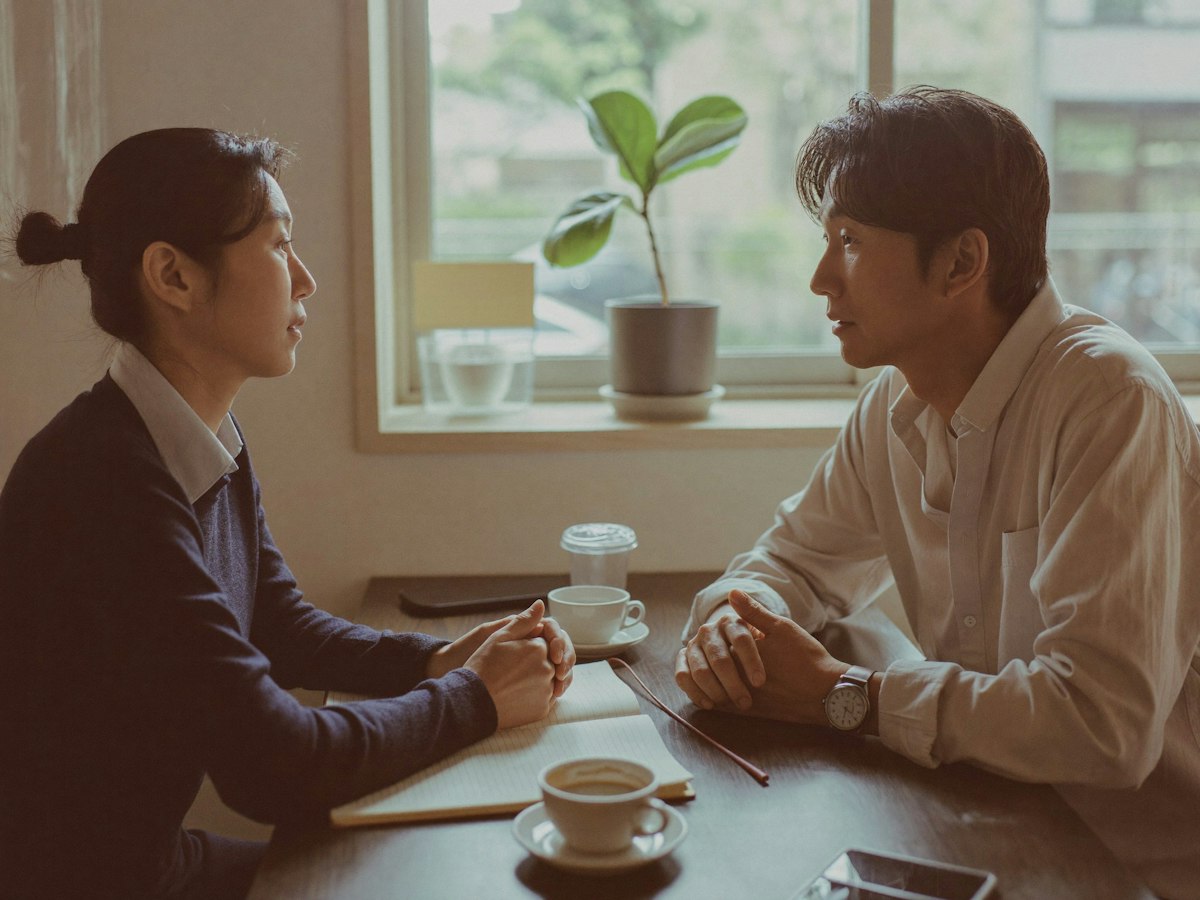
- The polite answer comes first. First answers are courteous answers, and an inexperienced team mistakes them for findings. A moderator who lives in South Korea asks again, differently, until the participant says what they would tell a friend.
- Groups built by age. Age and seniority shape who speaks and who defers. Groups of people close in age and position let everyone talk, where a mixed group leaves the youngest silent.
- The venue is part of the brief. For a luxury tequila study, shop-alongs ran inside high-end bars and clubs in Seoul, where premium spirits compete for attention. We went where the choice is made, not to a viewing room.
- Show, then ask. People show a routine more accurately than they describe it. In a skincare diary study across four markets, participants filmed themselves for two weeks, and a "quick routine" in Seoul turned out to involve seven products.
RECRUITMENT
How do you recruit participants in South Korea?
- We recruit through local partners in Seoul, who find the people your brief describes, from affluent drinkers who spend above average in high-end venues to crypto users and car owners.
- Trade audiences are recruited one by one. For the tequila study, bartenders and mixologists from high-end venues took part in in-depth online interviews.
- MindMarket pays every participant's incentive itself. You never handle it.
METHODS
Which methods work in South Korea?
Most studies in South Korea run as focus groups and in-depth interviews, with shop-alongs, mobile diaries or mystery shopping when the question needs them.
| Method | Works well when | Watch out for |
|---|---|---|
| Focus groups | Reactions to concepts, brands and packaging among people of similar age | Mixed ages or ranks in one group; the youngest stop talking |
| In-depth interviews | Personal categories, finance and crypto, senior professionals | Allow time; the frank answer comes after the courteous one |
| Shop-alongs | Premium drinks, beauty and retail, in the venue where the choice is made | Venue permission, and evening schedules for nightlife |
| Mobile video diaries | Skincare and daily routines that people show better than they tell | Keep tasks short; ask for footage, not essays |
| Online interviews with trade | Bartenders, shop staff and the other people who recommend a brand | Book around their working hours; evenings are their working day |
QUESTIONS
Questions buyers ask about research in South Korea
How much does market research cost in South Korea?
A full-service qualitative study with MindMarket starts at $40,000 for the first market, and South Korea added to a multi-country study starts from $8,000. Premium and trade audiences, such as affluent drinkers or bartenders, cost more to recruit than general consumers. Every quote is itemised and follows within 48 hours of a first call. Estimate your study.
Do I need a Korean moderator?
Yes. Participants speak most freely in Korean, and the levels of politeness in the language tell a local moderator when an answer is courtesy and when it is conviction. MindMarket's moderators live in South Korea and work in Korean, with translation for your team.
Is Seoul enough, or should I add other cities?
Seoul is enough for most studies, because about half the country lives in the capital area. Add Busan when your product sells differently outside the capital, or when the decision needs a second view.
Can you run research in bars, shops and other live venues in Seoul?
Yes. For a luxury tequila study we ran shop-alongs inside high-end bars and clubs in Seoul, alongside focus groups with people who regularly spend above average on premium drinks. The local team arranges venue permission and evening schedules. Read how to run research in live venues.
When should I avoid fieldwork in South Korea?
Around Seollal, the Lunar New Year in January or February, and Chuseok in September or October, when families travel and recruitment stops for several days. The first weeks of August are the main summer holiday. Both festivals move each year, so check the dates when you plan.
Can you help us decide, not only run the interviews?
Yes. Beyond the fieldwork, our Customer-Led Strategy work turns what people in South Korea told us into a recommendation: what to do, what not to do, and why. We form the hypotheses, test them with your customers and recommend from their words. If you already work with strategy consultants, we work alongside them.
NEXT