How to Run Research in Live Venues: Four Methods That Capture What Surveys Miss

Every night, guests walk into hotels, restaurants, bars, and retail spaces and make dozens of decisions that shape whether they come back. Where to sit. What to order. Whether to stay for another drink. Whether to recommend the place to a friend.
Most hospitality brands measure these decisions after the fact — with post-visit surveys, feedback forms, and review monitoring. The problem is that by the time a guest fills out a survey, the experience has already been edited by memory. The rough edges are smoothed out. The emotional texture is gone. What comes back is polite, rational, and usually too late to act on.
The most powerful hospitality research happens inside the venue itself — in real time, or as close to real time as possible. Here are four qualitative research methods that work in live environments, and when to use each one.
Shop-alongs: seeing the experience through your guest's eyes — in real time
A shop-along places a researcher alongside a guest during the experience itself. They walk in together, sit together, observe together — and the researcher can ask questions in the moment as decisions are being made.
This is arguably the richest in-venue methodology available. It combines ethnographic observation with real-time prompting — you're not just watching what the guest does, you're asking them why they just did it, while the answer is still fresh and unfiltered.
Shop-alongs are particularly powerful for understanding decision journeys. In our APAC luxury spirits research, we used shop-alongs inside high-end bars and nightclubs across Shanghai, Seoul, and Sydney. We watched how guests navigated the drinks menu, how peer dynamics influenced ordering, and how the venue environment shaped what felt appropriate to choose. These are behavioural signals that no post-visit survey could have captured — they happen in seconds and are forgotten within minutes.
When to use shop-alongs: when you need to understand the full decision journey in context, from arrival to departure. Ideal for hospitality, retail, and any environment where the physical setting influences behaviour.
Read our shop-along case study here:

Customer intercepts: catching perception while it's still raw
A customer intercept is a short, structured conversation with a guest immediately after their experience — typically just outside the venue or in the lobby. The goal is to capture perception before memory has time to edit it.
The difference between what a guest tells you on the pavement at 9pm and what the same guest writes in a survey three weeks later is enormous. In the moment, you get the emotional truth — the hesitation, the surprise, the thing that nearly made them leave, the detail that made them decide to come back. Three weeks later, you get a polished summary that tells you almost nothing useful.
We used intercepts extensively in our London restaurant research, running 100 conversations across two venues over two weeks. The finding that changed the client's expansion strategy — that guests perceived their two concepts as completely separate brands — came entirely from intercept conversations. No survey or review analysis would have surfaced it.
When to use intercepts: when you need to understand brand perception, guest satisfaction drivers, or the emotional and social dimensions of an experience. Best conducted immediately after the visit while the memory is vivid.
Read our customer intercept case study here:

Mystery shopping: experiencing your venue as your customer does
Mystery shopping sends real consumers — not professional auditors — into your venue to experience it as a genuine guest, then report back in detail.
The distinction between consumer mystery shoppers and professional auditors matters enormously. A trained auditor evaluates against a checklist. A real consumer from your target demographic notices things a checklist would never include — the awkward pause before being greeted, the way the lighting made them feel, the moment they almost left because they couldn't tell where to queue.
In our Kate Spade mystery shopping programme, we recruited 60 Gen Z women who shop for handbags and care about in-store experiences. Every participant was screened through written and video responses to ensure they were articulate, detailed, and engaged. The result was store-by-store intelligence grounded in the authentic voice of real consumers — not tick-box evaluations.
When to use mystery shopping: when you need to evaluate service quality, staff behaviour, and the end-to-end guest journey from the perspective of your target consumer. Particularly valuable for multi-location brands benchmarking consistency across sites.
Read our mystery shopping case study here:
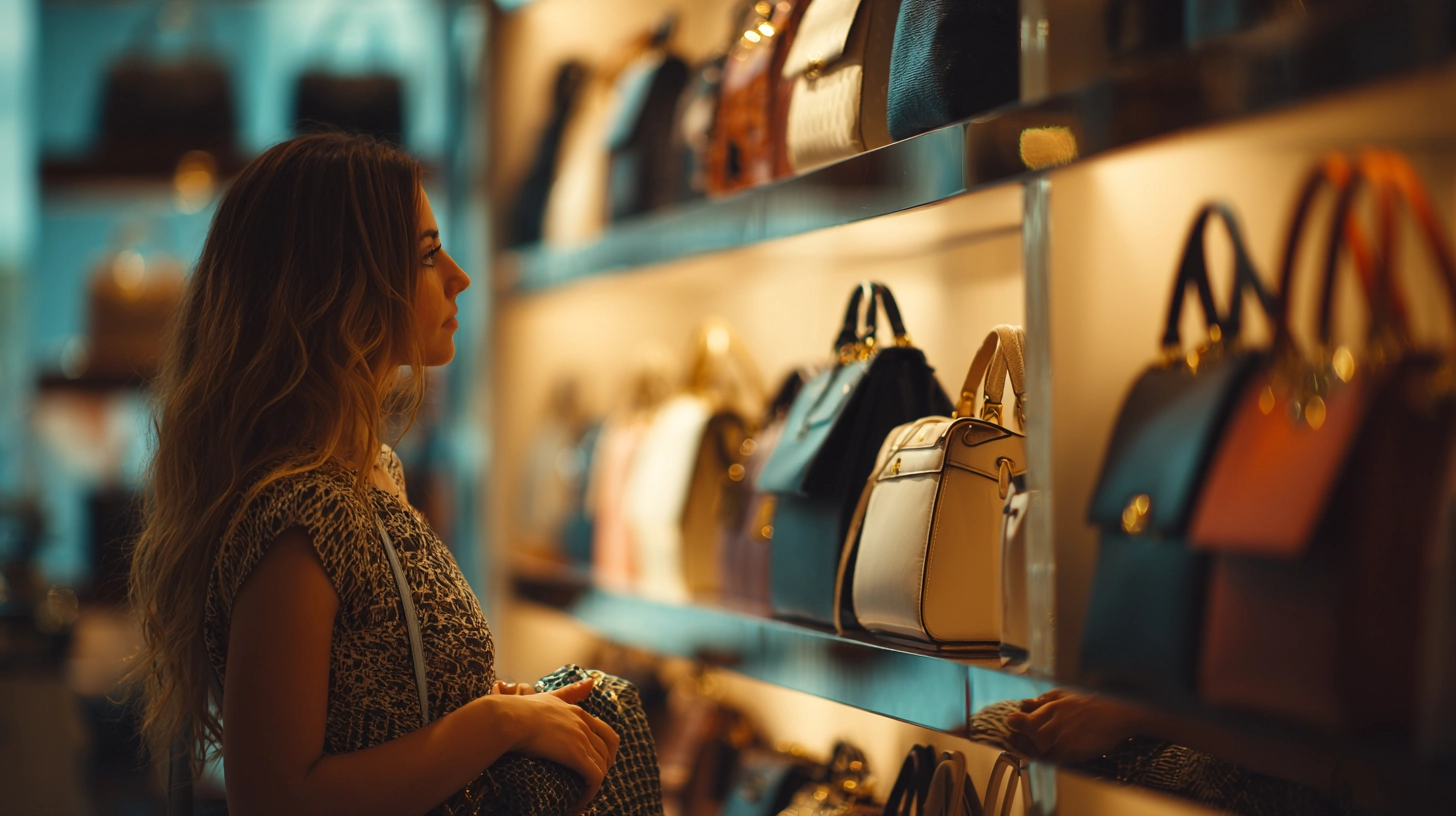
Observational research: watching what guests do, not what they say
Observational research places researchers inside the venue to watch how guests behave — without asking a single question. How they move through the space. How they interact with staff. What they look at first. Where they hesitate.
These are behavioural signals that guests can't self-report because they're not conscious of them. They say they loved the ambiance. But you watch them spend the first 90 seconds looking for a power outlet. They say the service was excellent. But you saw them wait four minutes to make eye contact with a server.
The gap between stated and observed behaviour is where some of the richest hospitality insights live. Observational research is what closes that gap.
When to use observational research: when you need to understand unconscious behaviour patterns, navigation flow, or the gap between what guests say and what they do. Works well as a complement to any of the other three methods.
The golden rule: timing
All four methods share one principle — timing matters more than anything else in venue-based research.
Too early, and you're interrupting the experience. Too late, and memory has done its editing work. The sweet spot depends on the method: shop-alongs capture decisions live as they happen. Intercepts catch the guest right after, while the feeling is still alive. Mystery shopping captures the full journey from arrival to departure. Observation runs throughout.
The strongest venue research combines multiple methods. Shop-alongs tell you what happens and why, in real time. Intercepts tell you what guests think right after. Mystery shopping tells you what they experience as a customer. Observation tells you what they do when nobody's asking. Together, they give you the full picture — and it's almost always different from what a satisfaction survey would have told you.
Ready to turn your venue into a research lab?
MindMarket designs and runs in-venue qualitative research across 60+ countries — from customer intercepts and shop-alongs to mystery shopping and observational studies in hotels, restaurants, bars, and retail spaces. We work with local moderators who understand the rhythms of hospitality and know how to earn honest answers in live environments.
Tell us about your venue and we'll recommend the right methodology.
Frequently Asked Questions
What's the difference between mystery shopping and customer intercepts?
Mystery shopping sends recruited consumers into your venue to experience it as a genuine guest and report back afterwards. Customer intercepts are short conversations with real guests immediately after their visit. Mystery shopping evaluates the full journey from a specific consumer's perspective. Intercepts capture spontaneous perception from a broader range of guests. Both are valuable — and they work best when combined.
How do shop-alongs work in a live venue without disrupting the experience?
Our researchers are trained to blend into the environment naturally. In a shop-along, the researcher accompanies the guest as a companion — not as a visible auditor. They observe and ask questions conversationally, prompting reflection without interrupting the flow of the experience. The key is recruiting participants who are comfortable being observed and matching researchers to the venue's tone and energy.
Can you run in-venue research across multiple locations at the same time?
Yes — this is one of our core strengths. We coordinate multi-site research programmes using local moderators in each market who understand the venue culture, service rhythms, and cultural nuances of their location. We've run simultaneous intercept and observational programmes across five APAC markets and multiple UK locations, with daily quality checks and real-time reporting throughout.
How many participants do we need for in-venue qualitative research?
It depends on the methodology and the research question. For customer intercepts, we typically recommend 30–50 conversations per location to identify clear patterns. For mystery shopping, 5–10 shoppers per location gives strong coverage. For observational research, 2–3 days of observation per venue usually surfaces the key behavioural insights. We tailor the sample to your specific brief — and we're always happy to recommend what makes sense before you commit.
