Network Philippines
Qualitative market research in the Philippines
The Philippines has 117 million people, a median age of 26.1 and 98 million internet users, 83.8 per cent of the population (DataReportal, Digital 2026). Qualitative research there works when sessions move between Filipino and English as participants do, when the study reaches beyond Metro Manila, and when it is designed for the phone. MindMarket runs in-depth interviews, focus groups and diaries in the Philippines with moderators who live in the country, recruitment through local partners and one project manager for your whole study.

AT A GLANCE
The Philippines at a glance for researchers
- Population. 117 million people, median age 26.1, 49.1 per cent in urban areas (DataReportal, Digital 2026). A young country spread over more than 7,000 islands, with about half its people outside the cities.
- Languages. Filipino and English are the official languages, and most people in Manila mix the two in one sentence. Cebuano is the everyday language of Cebu and Davao. Our moderators live in the Philippines and follow every switch.
- Internet and mobile. 98 million internet users and 137 million mobile connections (DataReportal, Digital 2026). The phone is the device participants have, and research is designed for it.
- Where fieldwork happens. Metro Manila first, then Cebu for the Visayas and Davao for Mindanao. Online sessions reach participants on other islands.
- Data protection. The Data Privacy Act of 2012: consent, a stated purpose, and participants told how recordings are stored. Consent is collected before each session.
- Timing. Holy Week empties the cities, the Christmas season slows recruitment from mid-December to early January, and typhoons between June and November can cancel in-person sessions.
IN THE FIELD
How does an interview run in the Philippines?
In Singapore, one city is the country. The Philippines is more than 7,000 islands, and the language, the island and the weather each shape the study.
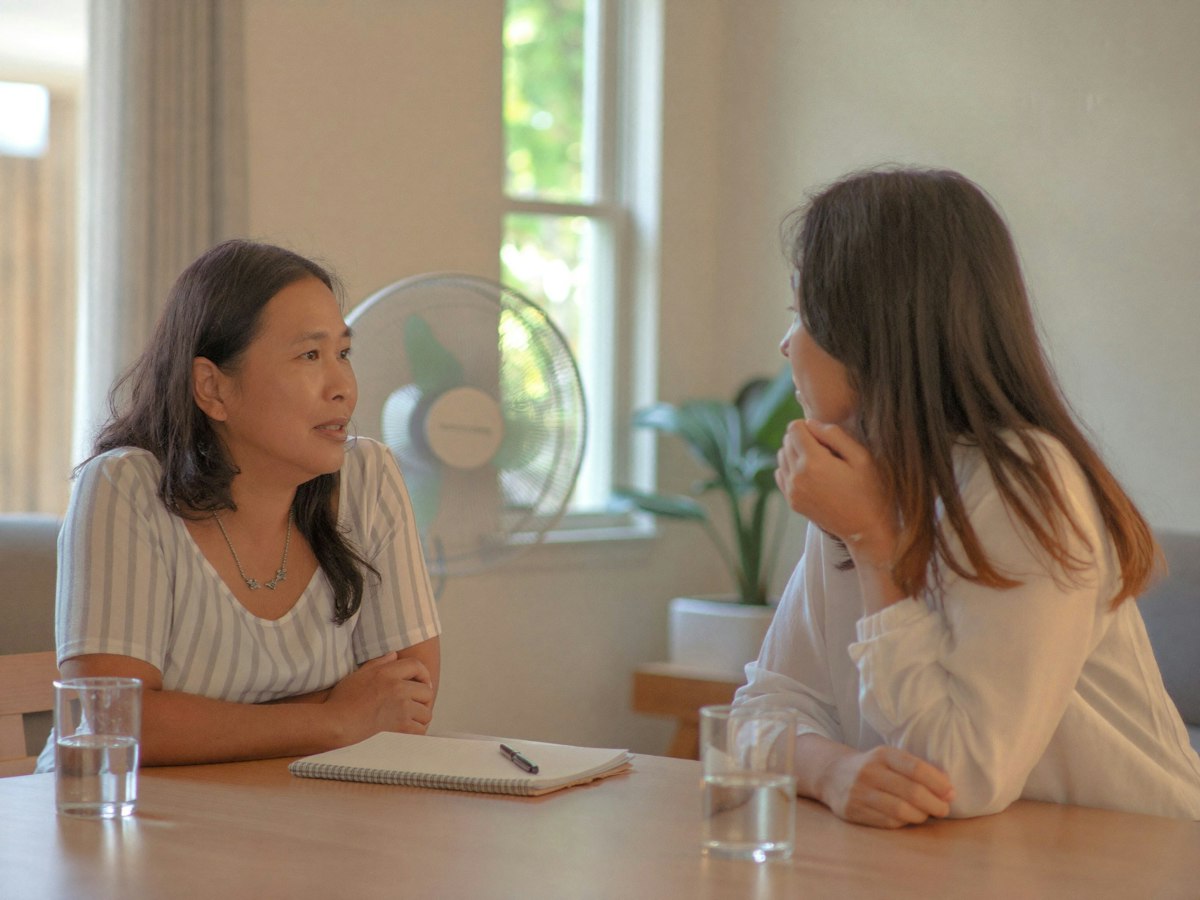
- Filipino and English, in the same sentence. Participants move between the two languages as they speak, and into Cebuano in the Visayas and Mindanao. A moderator who lives in the Philippines follows every switch and hears what a translator would miss.
- Beyond Metro Manila. Cebu and Davao differ from the capital in language, income and retail. We agree with you which of them the decision depends on before recruitment starts.
- Built for the phone. We design the discussion guide, the stimulus and any tasks to work on a phone screen, because that is the device participants have.
- A plan for the weather. In the typhoon season an in-person session can be cancelled at a day's notice. Plan an online fallback for each in-person study. The local team tests each participant's connection before the session is booked.
RECRUITMENT
How do you recruit participants in the Philippines?
- We recruit through local partners in Metro Manila, Cebu and Davao, who find the people your brief describes.
- The local team tests each participant's internet connection before the session is booked, so a weak line is found before the interview, not during it.
- MindMarket pays every participant's incentive itself. You never handle it.
METHODS
Which methods work in the Philippines?
Most studies in the Philippines run as in-depth interviews and focus groups, with mobile diaries, shop-alongs or ethnographic home visits when the question needs them.
| Method | Works well when | Watch out for |
|---|---|---|
| Online in-depth interviews | Audiences on several islands, professionals and young consumers | Test the line first; evenings suit people who commute |
| Focus groups | Concepts, packaging and advertising in Metro Manila, Cebu or Davao | Travel time in Manila; choose a venue near your participants |
| Mobile diaries | Daily routines, shopping and media habits, recorded on the phone | Keep uploads light; ask for photos and short clips |
| Shop-alongs | Grocery and household purchases, from malls to neighbourhood shops | Store permission, and small pack sizes that change what a price means |
| Ethnographic home visits | Family, food and household routines | Agree the visit and the recording in advance; households are often large |
QUESTIONS
Questions buyers ask about research in the Philippines
How much does market research cost in the Philippines?
A full-service qualitative study with MindMarket starts at $40,000 for the first market, and the Philippines added to a multi-country study starts from $8,000. Each island region you add brings its own recruitment and moderation, which moves the price more than the number of sessions. Every quote is itemised and follows within 48 hours of a first call. Estimate your study.
Should sessions run in English or in Filipino?
In both, as participants speak. Most people in Manila mix Filipino and English in one sentence, and a session held in English alone gets shorter, more formal answers. In Cebu and Davao the everyday language is Cebuano. Our moderators live in the Philippines and follow every switch.
Is Metro Manila enough, or should I add other cities?
Metro Manila gives a first read, but it does not stand in for the country. Add Cebu for the Visayas and Davao for Mindanao when your product will be sold nationally, because language, income and retail change from island to island.
Should I run research online or in person in the Philippines?
Online for audiences spread over several islands: 83.8 per cent of the population uses the internet (DataReportal, Digital 2026), mostly on a phone. In person when the home or the shop needs to be in view, with an online fallback planned for the typhoon season.
When should I avoid fieldwork in the Philippines?
During Holy Week, when the cities empty, and from mid-December to early January. Between June and November, typhoons can cancel in-person sessions at short notice, so plan an online fallback for those months.
Can you help us decide, not only run the interviews?
Yes. Beyond the fieldwork, our Customer-Led Strategy work turns what people in the Philippines told us into a recommendation: what to do, what not to do, and why. We form the hypotheses, test them with your customers and recommend from their words. If you already work with strategy consultants, we work alongside them.
NEXT